S02E47: Bad!



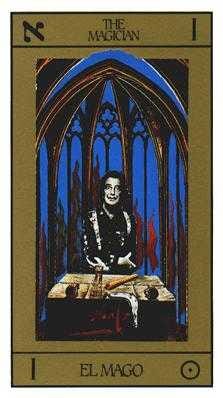
Tonight’s Tarot:
Freaks of Hazard:
A KON CITY

With Akon City, an entertainer wishes to usher in a new day and standard of living for future Senegalese and African generations.
Singer and producer Akon is allegedly building a city in Africa. In 2018, the country of Senegal allowed Akon to purchase 2,000 acres to develop an ambitious $6 billion futuristic multi-district city. Akon claims to be from Senegal, but his story changes between him growing up in poverty where his family was often without running water or power, and growing up rich in a three-story home in the USA stealing and flipping luxury cars. He says his new city will be “a real-life Wakanda” built on blockchain technology.

A quick summary of Akon’s life…
Aliaune Damala Bouga Time Puru Nacka Lu Lu Lu Badara Akon Thiam was born in 1973 in St Louis to a scholarly Muslim family.
In high school, his parents left both him and his brother to live on their own in a three-story house in Jersey City. While attending William L Dickinson High School, Akon became involved in a luxury car theft ring.
During this time, he involved himself with the local music scene. For his first ten years in the biz, Akon clawed his way through the R&B scene being mentored by certain members of the Fugees.
After graduating high school, he moved to Atlanta with his remaining family where continued to steal cars and make music.
He primarily wrote and produced his first record Trouble released June 2004. The album and it’s reception impressed Jimmy Iovine of Interscope, who took him on and gave him a small label.
His second album released, Konvicted, debuted at #2 on the Billboard 200 in 2006 and went on to be 6x Platinum. The big single from the Album, “Smack That”, is maybe the highest selling ringtone in history (back when people did that).
Since that album, Akon has continued to work intermittently in the music business as a producer and artist. However, he switches his focus from music to another priority… Philanthropy
Akon founded Akon Lighting Africa in 2014 with the intention of providing electricity to rural areas of Africa. According to his website, he received a $1 billion in credit from the Chinese government to build solar panels and lamps in 15 African countries. The site has gone dark since 2016. However, Akon has said that he would seek an additional $5 billion and continue his work. Quoting him, June of 2015 he said, “One problem with Africans… is that they often lack unity and are hesitant to think about the future. Everything is based on today, so I hate to say it as an African, but I kind of use it to my advantage to get the contracts.”
His ambitions only begin there. The crowning jewel and life’s work… Akon City. With multiple districts, this thing wants to be BIG. Housing, restaurants, learning centers, television and music studios, libraries, hospitals, and more.
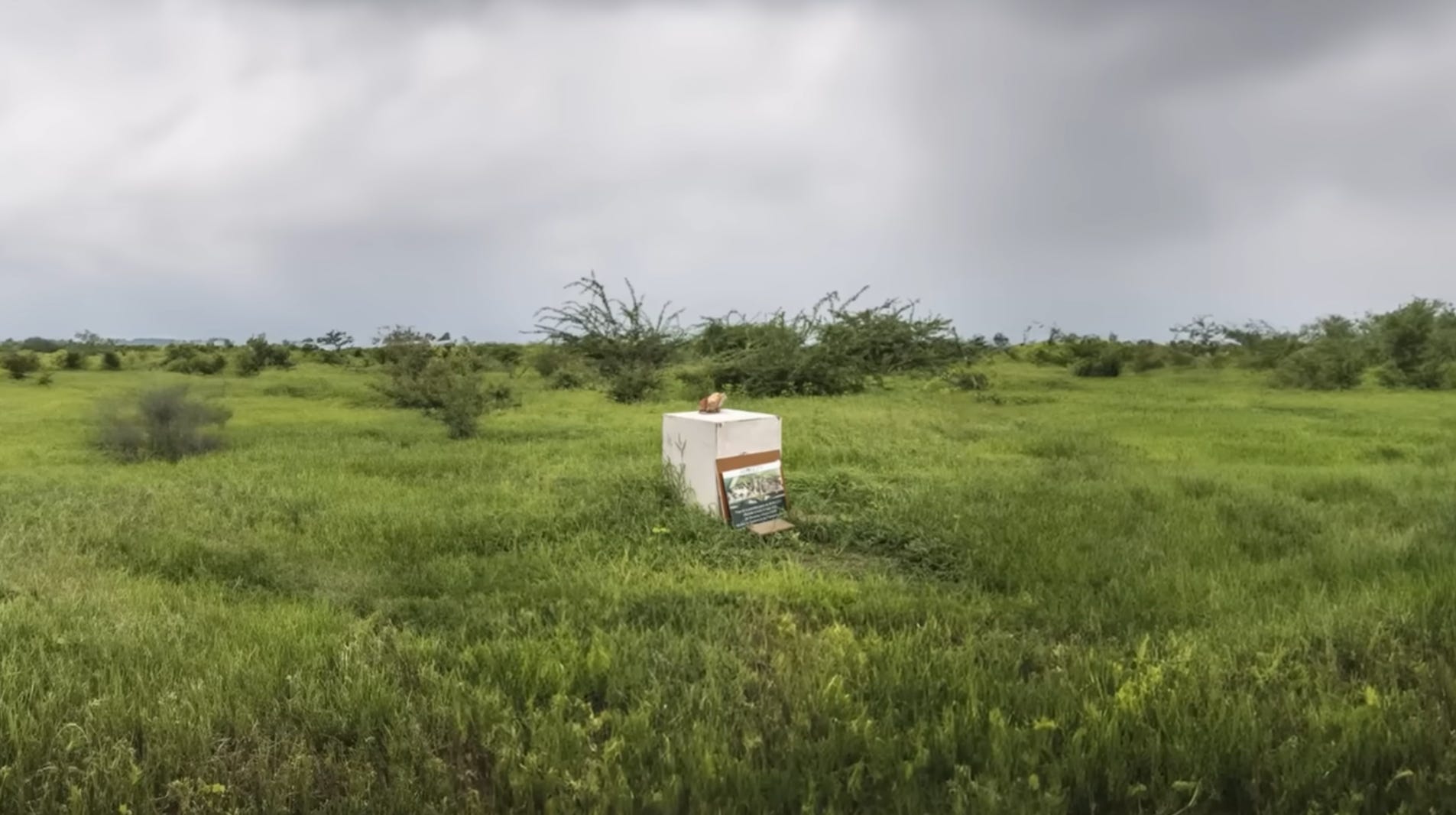
There are others in Africa also trying to grift new cities together as well.
What kind of future city would it be without a digital currency?
AKOIN!!!!!!
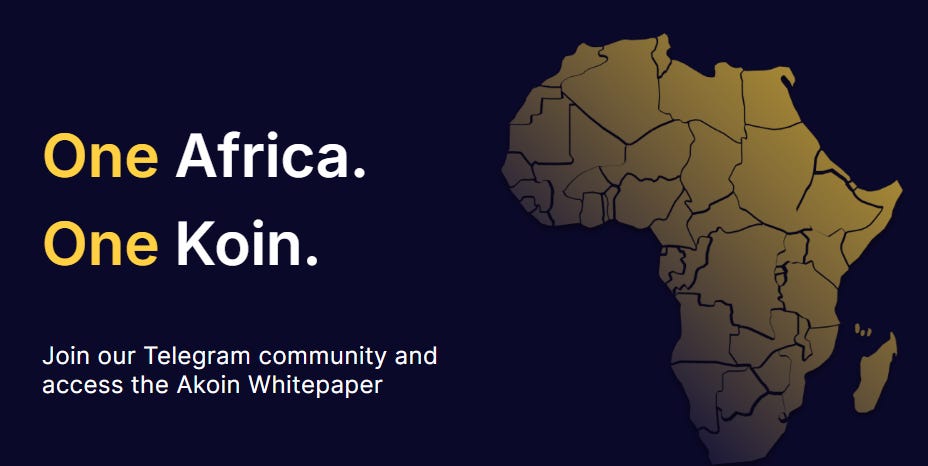
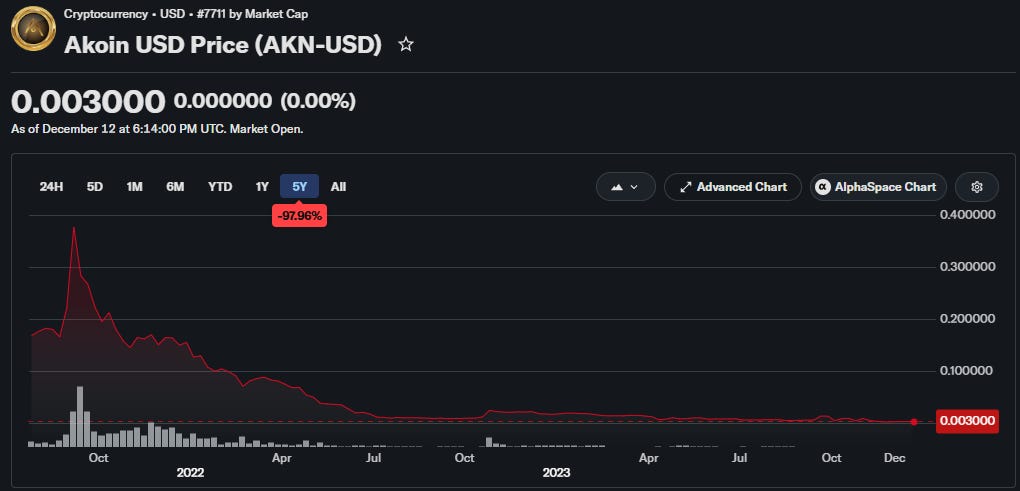
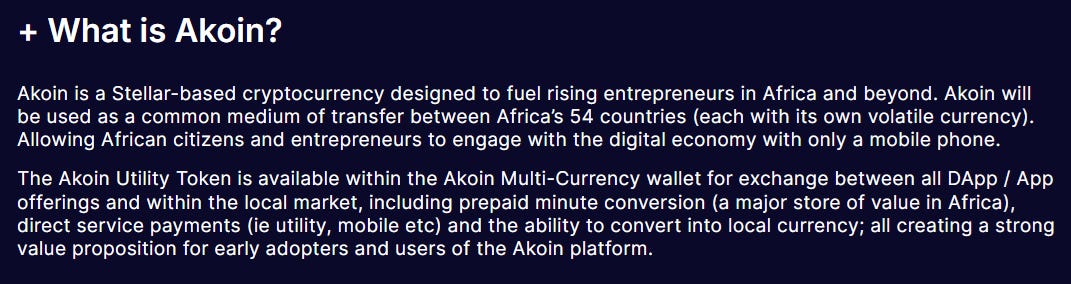


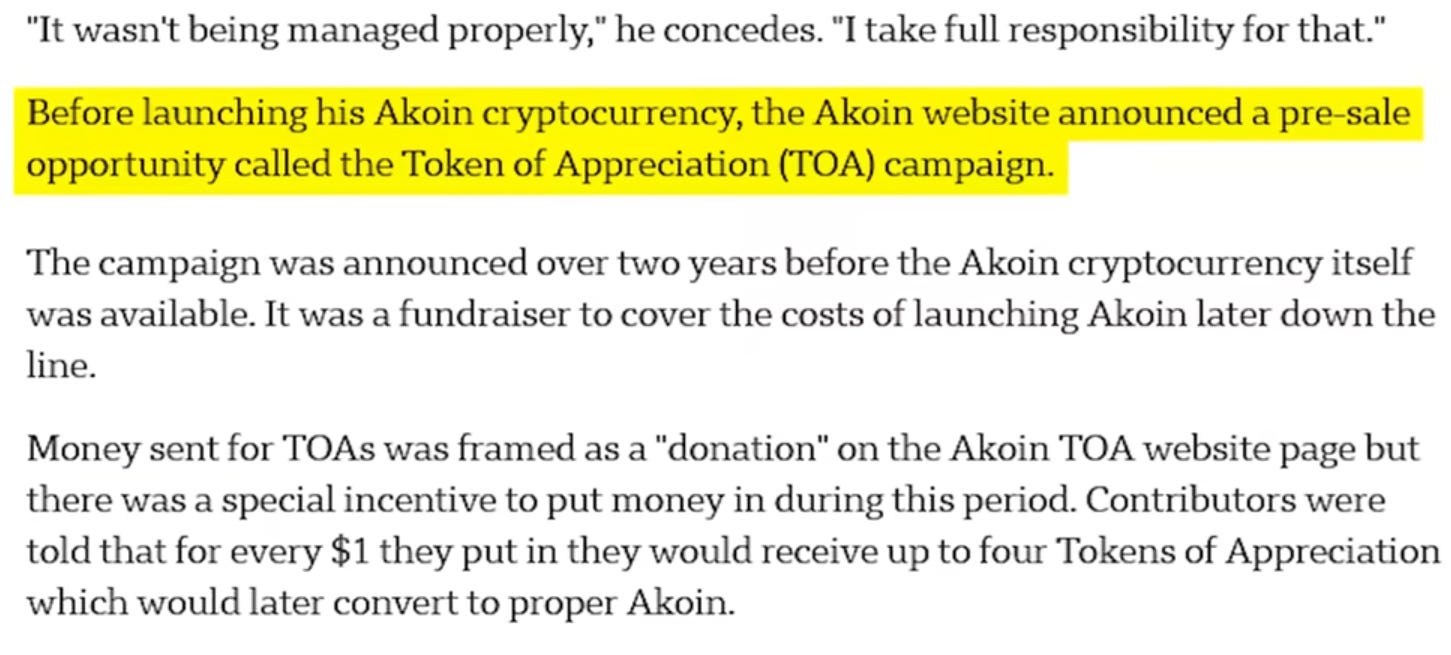
The AKOIN Website (untouched since 2021)
Drink Champs - Akon Interview (2023)
Akon Talks about Crypto currency and Akoin (2021)
The Brutal Collapse of Akon’s Scam City - Patrick Cc:
AKOIN Website and White Paper and Instagram
MAYBE IT’S MAUVEINE
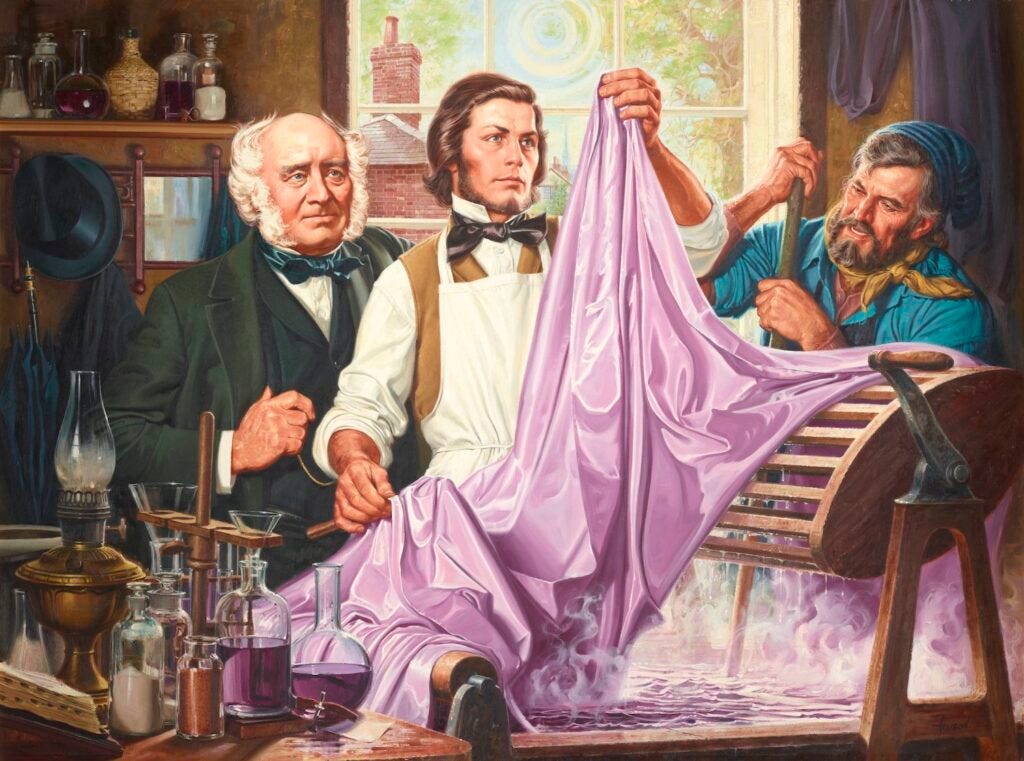
Pestilence, purple, classic bar concoctions, Skittles (not an ad);
One chance moment of a chemist and a tree from the Andes tie all these together in the most happenstance of ways.
⭐ The Isolation of Natural Products: Morphine and Other Alkaloids
Plant Protections - Plants produce a wide range of small molecules primarily as chemical defenses against predators and competition, and many of these compounds can also be useful to humans as medicines. Alkaloids fit into this broader class of plant chemicals and scientists in the 19th century were already beginning to suspect that specific molecular substances were responsible for medicinal effects.
Morpheus - Chromatography had not yet been developed, making it difficult to determine whether a chemical product was truly pure or just a mixture. A major breakthrough came in 1804 when Friedrich Sertürner isolated morphine from opium poppy pods, showing that an active medicinal ingredient could be extracted, purified, and used more reliably to treat severe pain.
Clinical Trials - Sertürner’s early experiments isolated morphine from opium and helped prove it was the plant’s active analgesic ingredient. The trials were crude and dangerous, involving dogs, a mouse, and several young human volunteers who experienced narcosis, vomiting, and stomach pain, but they ultimately confirmed morphine’s powerful effects and marked a milestone in pharmacy history.
Mom and Pop Pharma - Morphine production rose, from Sertürner’s pharmacy to industrial manufacturing at Emanuel Merck’s facilities in Darmstadt, where the company expanded into a major pharmaceutical and research enterprise. Morphine gave rise to powerful opioid derivatives such as heroin, codeine, and hydrocodone, while broadening into the wider world of alkaloids.
⭐ Quinine and the Birth of the Dye Industry
Bad Air - Malaria is a deadly mosquito-borne disease caused by Plasmodium falciparum and transmitted by infected Anopheles mosquitoes. The disease brings intermittent fevers, long-term weakness and anemia, and the severe brain complications that can make acute cases fatal, with some historians linking its prevalence to the fall of Rome.
Gummy Masses - Jesuit missionaries introduced cinchona bark from Peru to Europe after learning that Indigenous communities used it to treat recurring fevers later identified as malaria. European demand drove overharvesting, colonial competition, and efforts to control production, until chemists isolated quine in 1820 and developed it into the first major industrial malaria treatment, saving millions of lives.
Alternative Means - Quinine became a strategic global commodity as demand surged for malaria protection during European expansion in Africa, but early efforts to synthesize it failed because chemists did not yet understand complex molecular structure. Later advances such as stereochemical theory helped reveal why molecular formulas alone were not enough to explain biological activity.
Ignorance Is Bliss - August Wilhelm von Hofmann, director of the Royal College of Chemistry in London, attempted to synthesize quine using an incorrect molecular formula and a theory based on hydrating alpha-naphthylamine. The plan was later undermined when Adolf Strecker published the correct formula for quine, showing that Hofmann’s proposed pathway was chemically implausible and leaving sponsors frustrated by the lack of results.
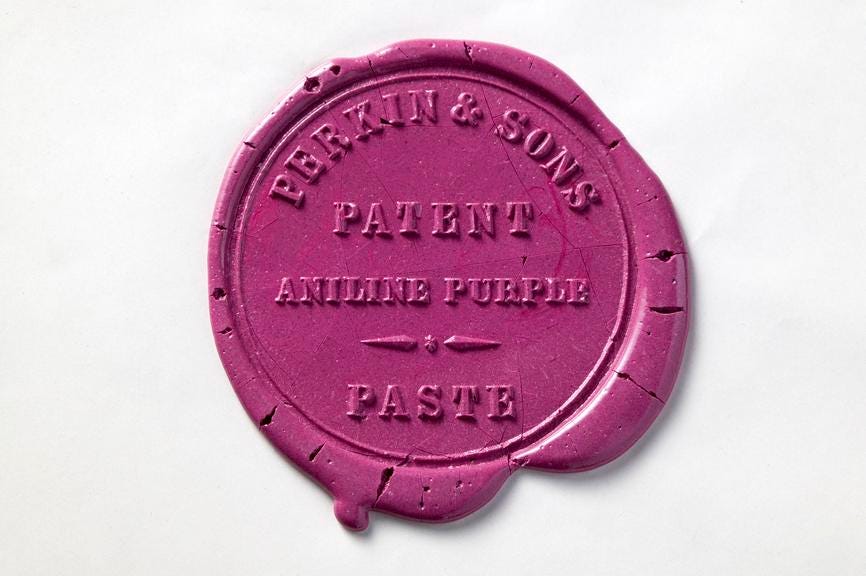
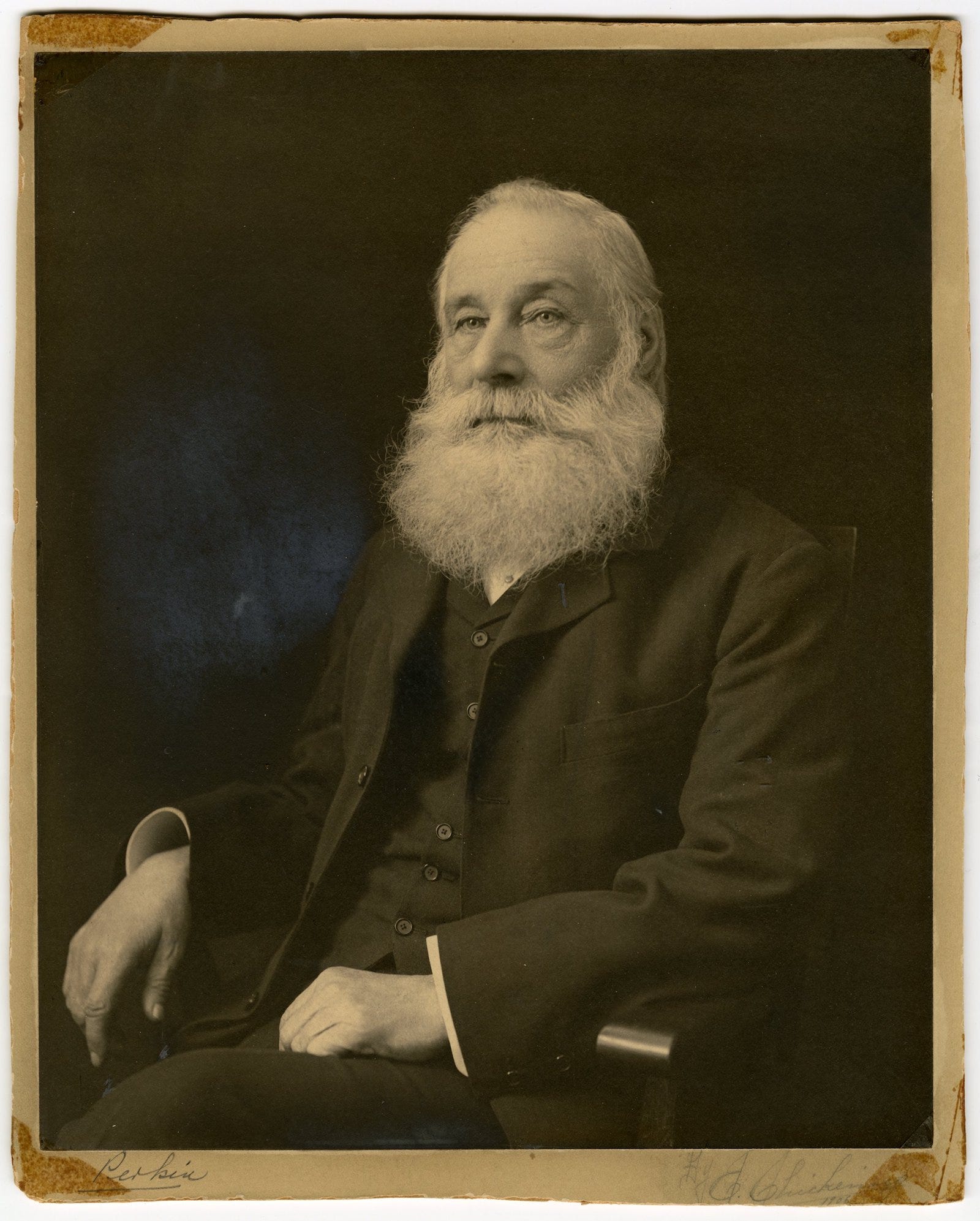
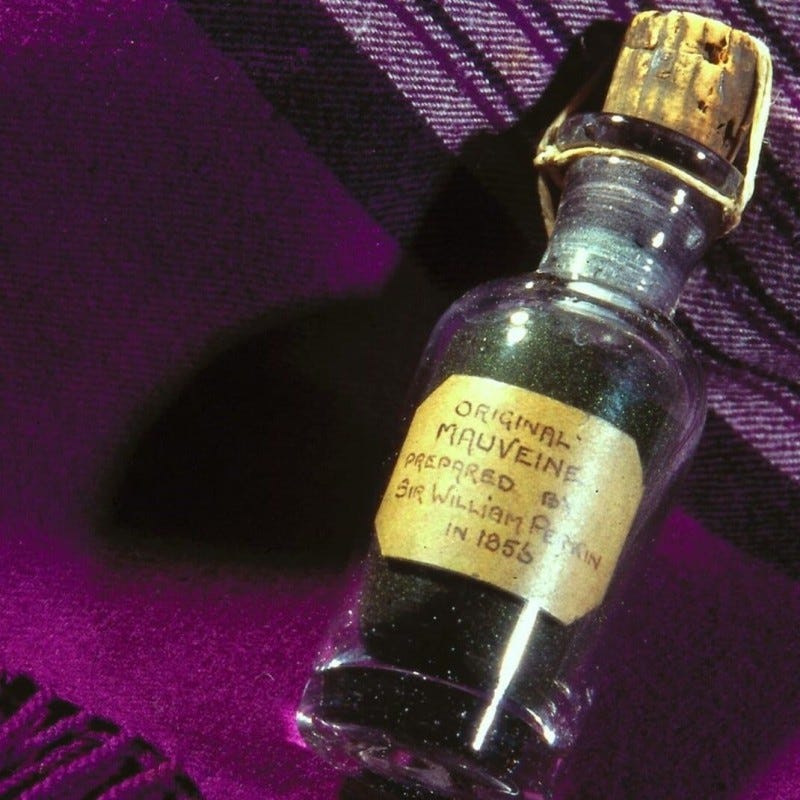
Perks of Being A Perkins - William Perkin, an 18-year-old chemistry student with a background in music, accidentally discovered the first synthetic dye while attempting to synthesize quine. His failed experiment produced a vivid purple substance, later called mauveine, which he learned to manufacture and sell with his father, sparking a major commercial success and transforming the dye industry. Queen Victoria’s adoption of the color helped make mauve a fashion sensation across Europe, ushering in the “Mauve Decade.”
Rise of Big Pharma - Perkin’s accidental discovery helped launch the aniline dye industry, which rapidly expanded into a major chemical business in Germany with companies like BASF, Hoechst, and Bayer. Once the dye market became saturated, these firms redirected their large chemistry teams toward synthetic drugs, helping establish the modern pharmaceutical industry around the turn of the 20th century.
Perkins accidently created mauve, or aniline purple while trying to synthesize quinine. Chemicals derived of coal tar were used in this process. The resulting failure stained his clothes artificially purple and he later convinced his father to go into business with him creating synthetic dyes.
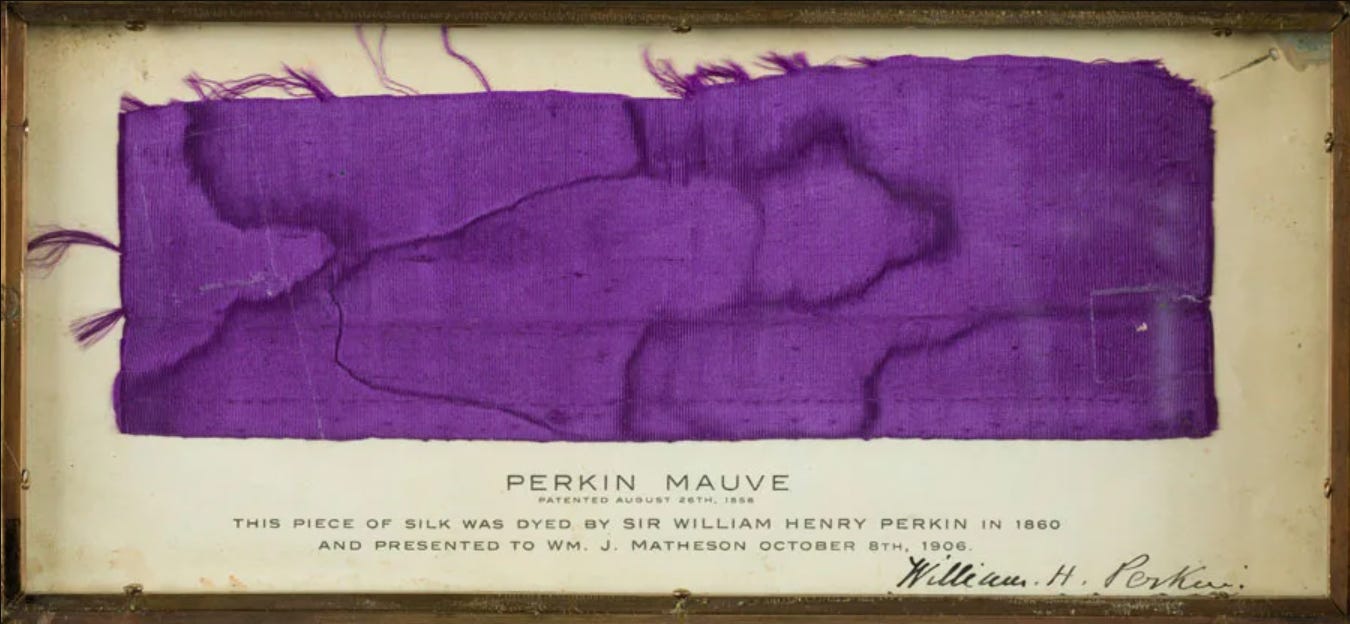
🌙 The mystery of the Victorian purple dye
“This discovery brought purple, a colour so expensive it had previously only been afforded by royalty and the church, to the mass-market.”
“Throughout history, purple clothes have been worn almost exclusively by the richest in society due to the expense of creating purple dyes. Phoenician dye, known as ‘Purple of the Ancients’, is a famous example made from predatory sea snails.”
Perkins brought purple to the masses. “Purple became the height of fashion in Paris and London in the late 1850s to early 1860s, and the frenzy over mauve became known as ‘mauveine measles’. Even Queen Victoria was not exempt from the excitement, appearing in 1862 at the International Exhibition wearing a silk dress coloured by mauveine. Wife of Napoleon III, Empress Eugenie wore mauveine-dyed dresses to state functions.”
“Analysis of mauveine stored in museums, Victorian stamps, and Perkin’s original patent provides evidence that Perkin iterated and improved his method of making his dye, making him one of the first chemists to realize the value of research and development.”
“As the British empire expanded into more tropical territories, more and more Britons contracted malaria—meaning that quinine was, in the words of the London Science Museum, “a tool of 19th-century colonialism.”
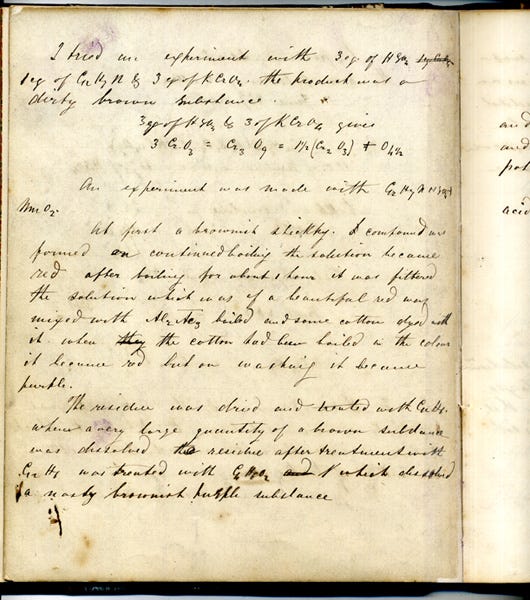
🌙 William Henry Perkin and the world’s first synthetic dye
🌙 A Recipe for Mauve
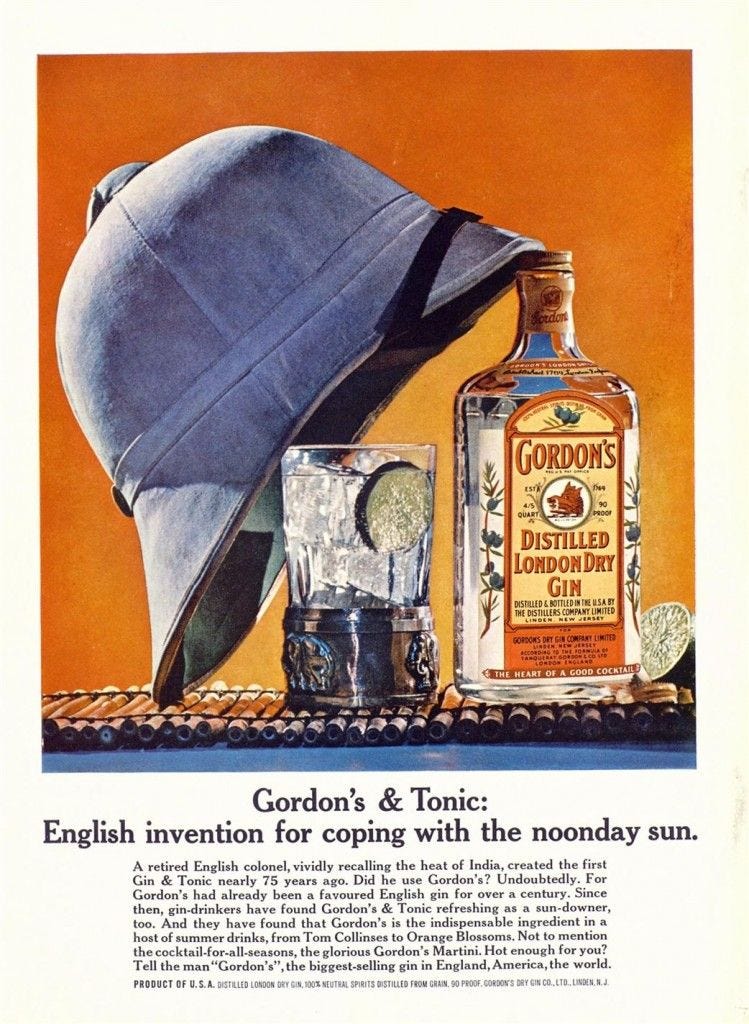
⭐ 1-minute history of quinine and tonic water
The fever tree and its bark yields quine, the bitter compound that inspired tonic water. Quine was used in the 1800s to prevent and treat malaria, then British troops in India mixed it with sugar, fruit, water, and eventually gin leading to the invention of the gin and tonic.
⭐ The Birth of the Pharmaceutical Industry
Paradigm Shift - The pharmaceutical industry rose from 19th-century chemical manufacturing, which included Hoechst’s shift from dyes to synthetic painkillers like antipyrine and amidopyrine.
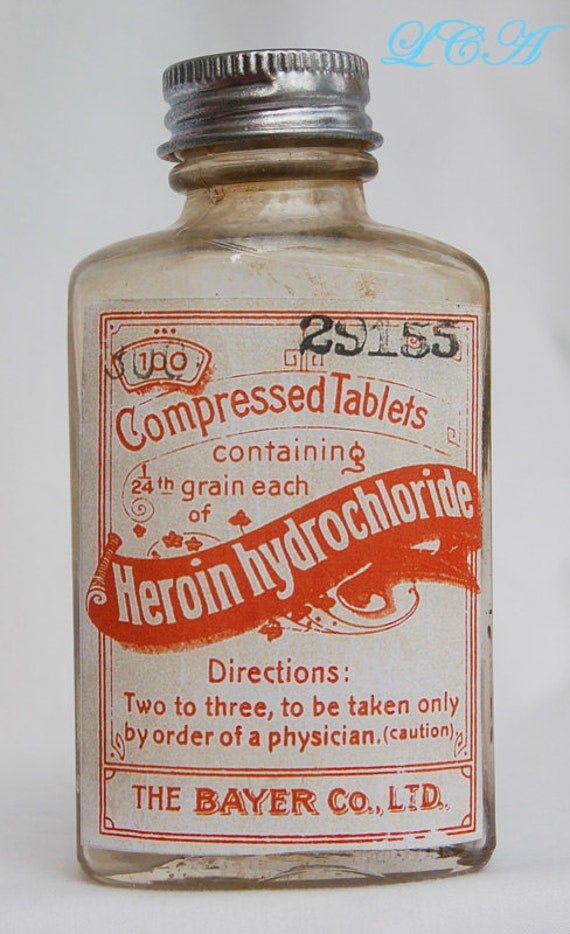
Finally Painless - Hoechst and Bayer emerged from Germany’s dye industry into major pharmaceutical powerhouses, expanding rapidly through research, manufacturing, and international factories. Hoechst commercialized Novocaine for painless dental procedures, while Bayer became famous for aspirin, later one of the world’s most used drugs, and also launched heroin as an over-the-counter cough suppressant before its addictive risks were understood.
Hypno Pills - The rise and fall of barbiturates starts back in 1864 with the creation of barbituric acid, which led to Bayer selling ‘barbital’ in 1904 as a massive upgrade over old insomnia treatments. But the success didn’t last. The drug had a dangerously narrow safety margin, and people quickly built up a tolerance, leading to a wave of accidental overdoses. Even though doctors rarely prescribe them anymore because of these dangers, they still cause fatal overdoses today due to abuse.
Mercked - German pharmaceutical giant Merck began as a pharmacy in Darmstadt in 1668 and grew by developing natural-product medicines and key alkaloids such as morphine and oxycodone. World War I shattered German dominance in the global drug market: Allied countries cut off imports, German patents were revoked, and U.S. and UK firms rapidly expanded by producing former German products. Merck’s U.S. branch was permanently separated from the parent company, helping turn the American pharma sector into a global leader while Germany’s industry lost much of its prewar supremacy.
🌙 The colourful chemistry of artificial dyes
⭐ How Artificial Food Dyes Are Made and Why They’re Toxic
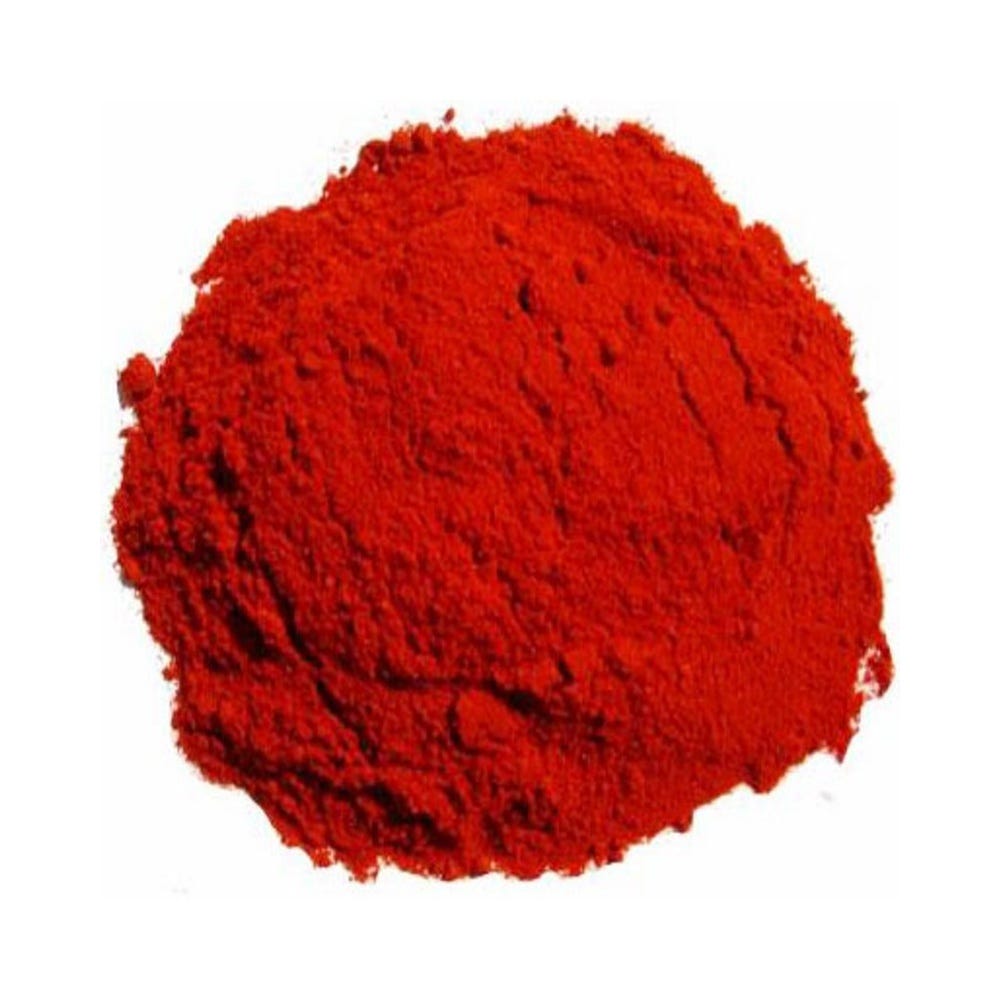
Conditioned Colors - Synthetic food dyes are highly concentrated, industrially produced colorants that can tint large quantities of food with just a tiny amount. They are valued by manufacturers for their consistency and intensity, but their fossil-fuel-based origins and processing raise ongoing questions about long-term effects on human health.
Numbers of the Rainbow - Petroleum-derived compounds such as benzene, toluene, and naphthalene are transformed through complex industrial chemistry into the synthetic dyes used in food coloring. The process involves hazardous reactions, heavy safety gear, extensive purification, strict quality control, and final standardization to produce consistent colorants that meet regulatory limits.
Its A Science - Synthetic food dyes travel from chemical plants into processed foods through highly concentrated formulations designed for precise, consistent color. Manufacturers use them because they are cheap, stable, and visually appealing to consumers, but they also appear in many unexpected products and create broader exposure concerns about their cumulative health impact.
⭐ Why The U.S. Government Decides The Color Of Our Food -
Cheddar Explains
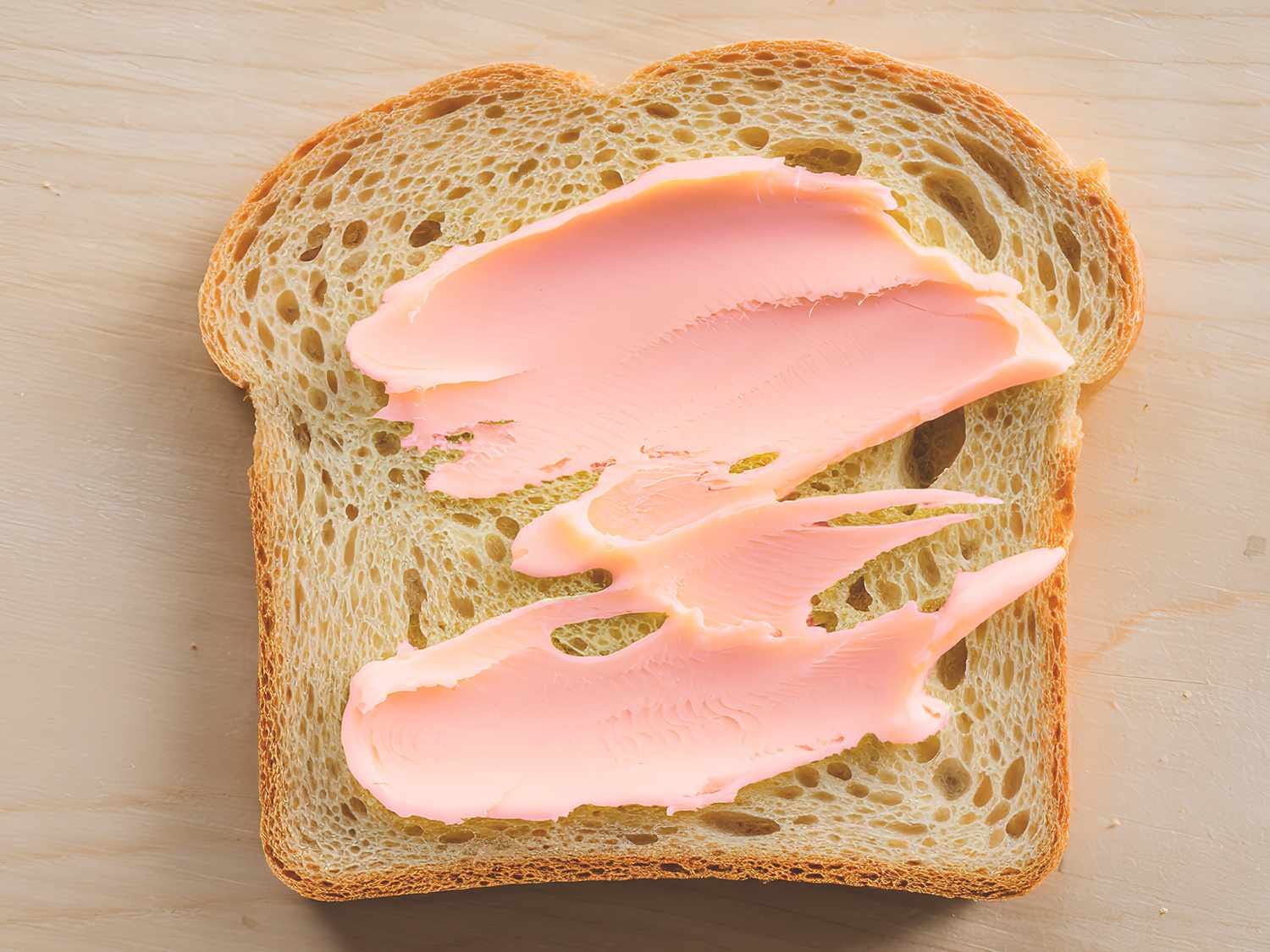
Pink Margarine - Margarine emerged in 19th-century France as a cheaper, longer-lasting alternative to butter, but its white color made it unpopular until manufacturers began dyeing it yellow. As margarine gained market share in the United States, the dairy industry fought back with propaganda and legislation, leading to taxes, anti-color laws, and federal restrictions designed to limit competition.
Yellow Dye 5 and 6 - A look at how U.S. food color regulations tightened after a 1937 drug disaster, leading the FDA to enforce certified dyes and maintain a limited list of approved colors. It also explains how artificial coloring is used in everyday foods like pickles and oranges to match consumer expectations and improve marketability.
⭐ Why Banning Red No. 3 In America Took Decades | Ultra-Processed Life | Business Insider
Old Dyes - Natural dyes have been used for thousands of years, from cochineal in Mexico to turmeric and indigo in Asia. The shift to artificial food dyes in the late 180s and early 1900s, included butter yellow and petroleum-based reds, and synthetic dyes became popular because they were cheaper and easier to produce.
Orange No. 1 - A 1950 outbreak of stomach illness in children led federal investigators to trace the cause to a toxic coal-derived food dye, Orange No. 1, and later scrutiny of other synthetic dyes such as Red 32. The case helped drive stricter FDA oversight, including the Delaney Committee’s requirement that new food chemicals be proven safe before approval, and later concerns over cancer links in red dyes prompted bans in cosmetics.
⭐ History’s deadliest colors - J. V. Maranto
Lead White - Ancient Greek and later European artists widely used lead white pigment for its unmatched brightness, opacity, and warm tone, despite its severe health risks. The material could cause lead poisoning, nerve damage, and even blindness, yet it remained a standard in oil and tempera painting until it was finally banned in the 1970s.
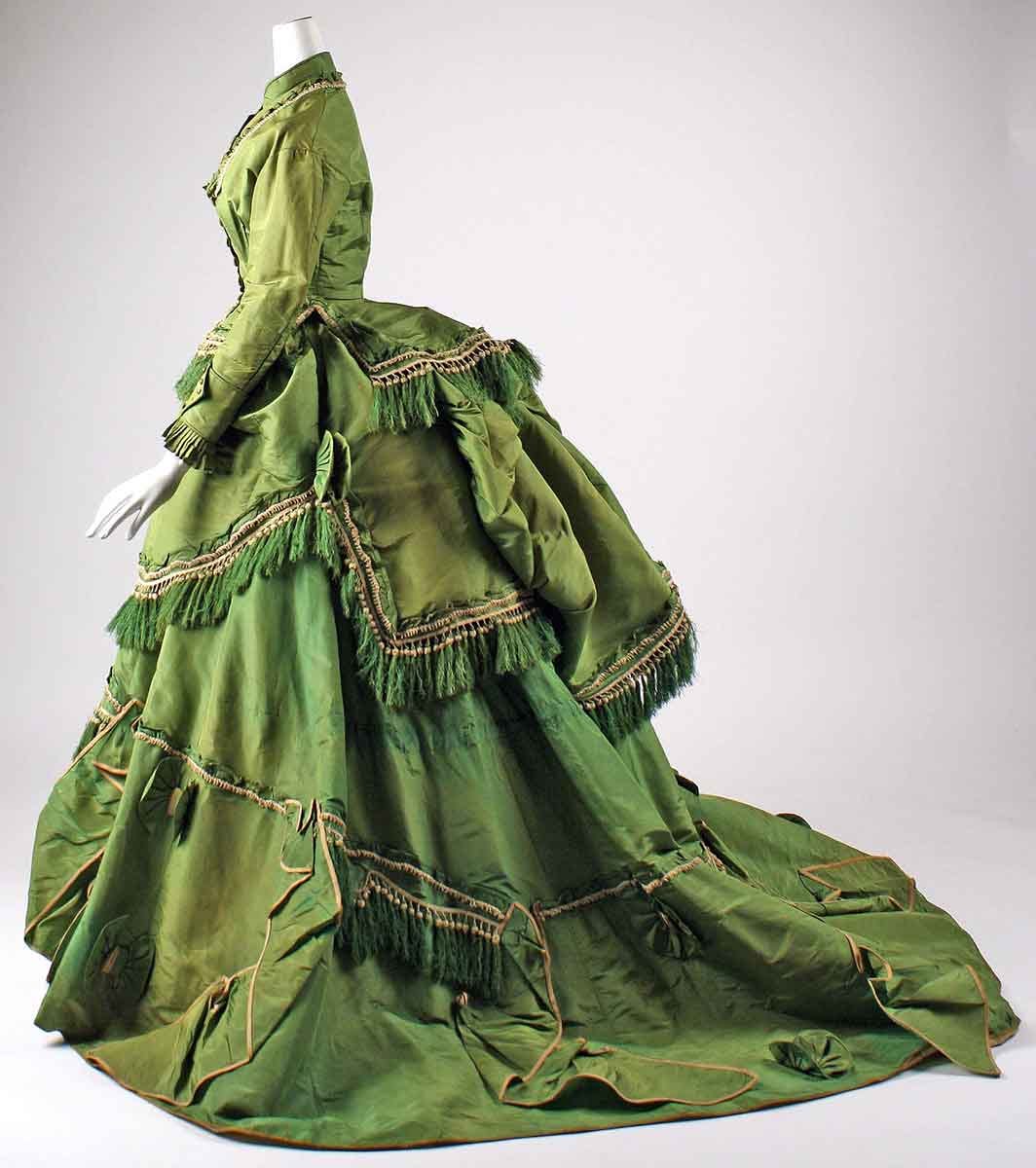
Paris Green - Scheele’s green and Paris green were colored synthetic pigments that became hugely popular in paints, textiles, wallpaper, food decorations, and clothing despite being made from toxic arsenic compounds. Their hidden danger caused poisonings and serious health risks, and the recipe was not widely exposed until 1822 before the pigments were later repurposed as insecticides.
Fiesta Orange - Uranium oxide was once used to create vivid red and orange ceramic glazes, especially in dinnerware, before the health risks of radioactivity were understood. Some vintage pieces, such as Fiesta ware, can still test positive for radiation today, even if the levels are generally considered low.
⭐ How It’s Made - Inorganic Pigments
Starts With The Salt - Synthetic mineral pigments are produced through an industrial recycling process that turns steel-industry byproducts and scrap iron into color ingredients used in pavers, paint, plastic, and cosmetics. The transcript describes how iron sulfate, warm water, and additional chemicals are combined, with crane equipment moving the scrap into the mix for pigment production.
The Filter Cake - A yellow pigment is being refined through industrial filtration and spray-drying. Technicians check the slurry’s color and thickness, then the material is filtered, concentrated into filter cake, and dried into pigment particles for use in emulsion paint and wallpaper coloring.
Paint It Black - An industrial pigment production line turns cast iron filings and other automotive scrap into black pigment slurry through a chemical reaction that also recovers energy for manufacturing. The slurry is washed, thickened, then converted into red pigment by baking it in a kiln at 850°C with added air before final mixing, grinding, packaging, and shipment.
Brick Forming Machines - A demonstration compares powdered and granular pigment forms, showing how the granular version flows more easily and is easier to meter and mix. The pigment is then blended into a concrete-like mixture to verify the color match, before the tinted paste is transferred into brick molds and compacted into finished bricks.
Opening Track:
Tanz am Druidenstein - Ric Sattler
Lavish Mini-Misson:
Boo Mini-Misson:
Free Your Mind ( Dance version ) - Haleen
Closing Track:
TAKE THESE, IT’S DANGEROUS TO GO ALONE!


PROOF OF WORK
Here’s a ton of footage recapping the last month and change! Terms subject to change.
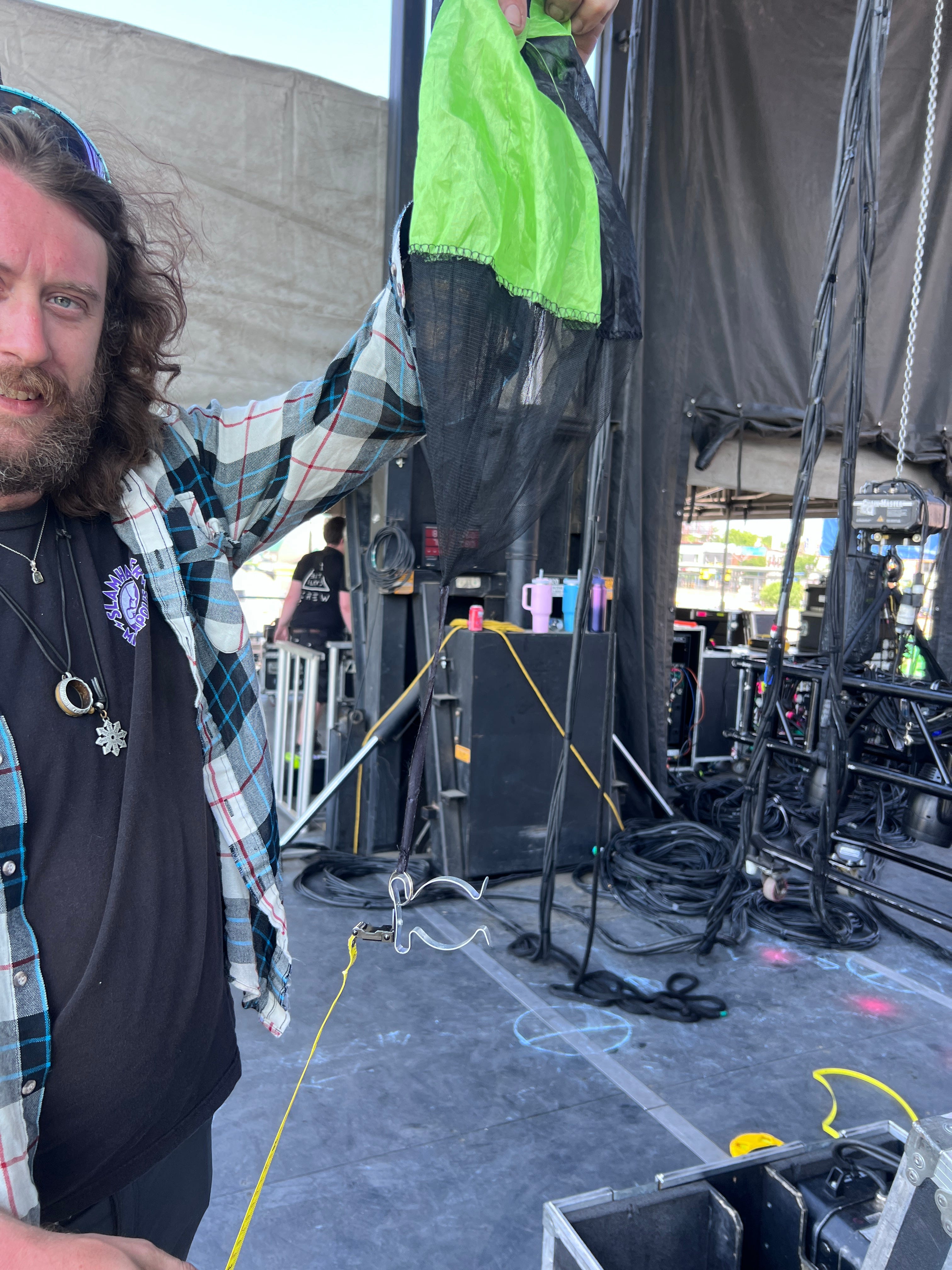
Brit FLoyd had mini parachutes for their trim tapes. Got to see that show on Lavish’s and JFK’s shared birthday!!
Here’s some videos from that show:
Next up was the Forcefields festival. That…goddamn that was an intense ride:


This small set was my favorite from the weekend:
And NoName on the mainstage warming up the rig Day 2:
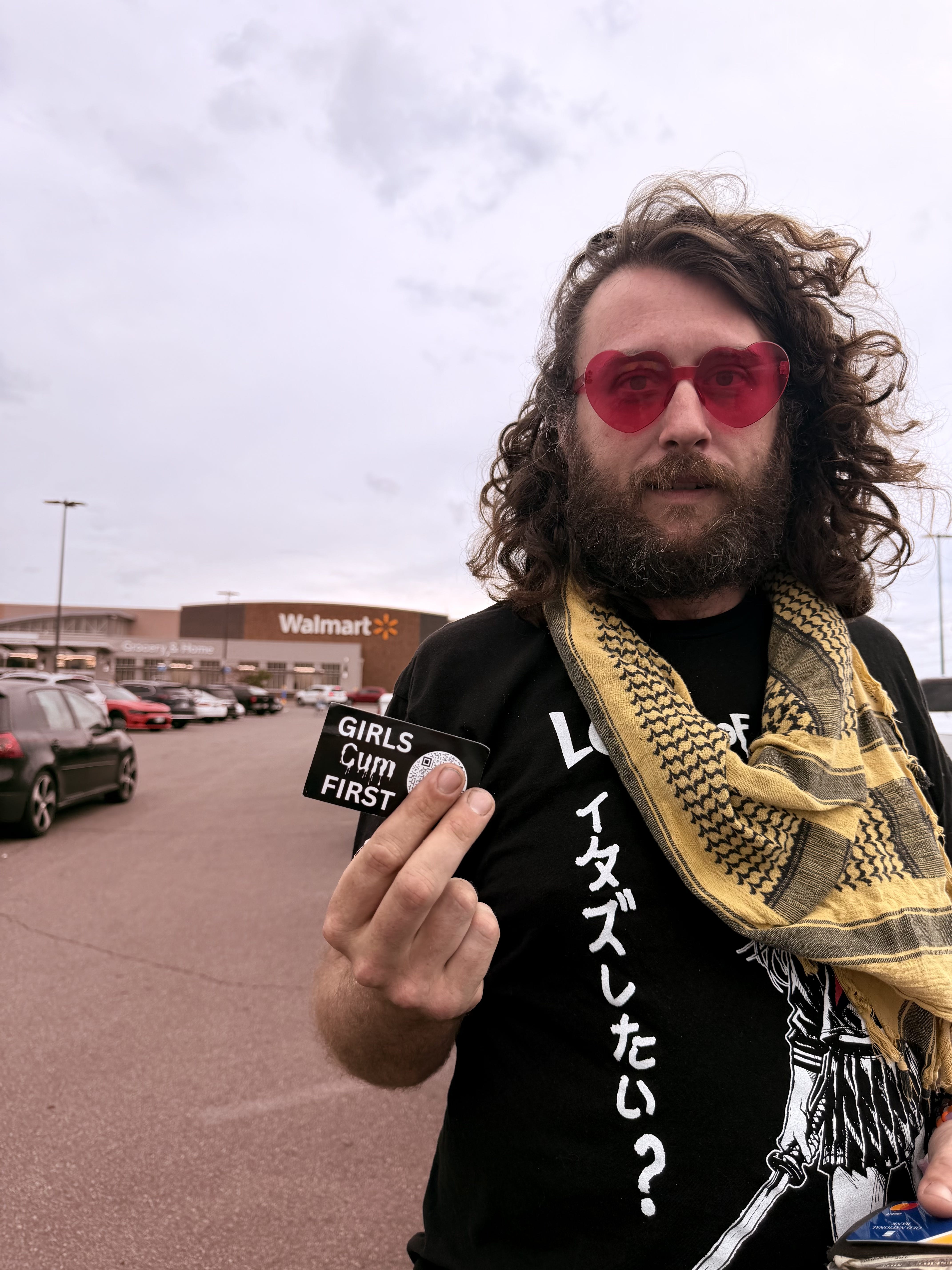
Other odds and ends, namely a vintage tech store:


More pictures from various festivals:


The following are from a Beastie Boys tribute, Neil McCoy, Josh Ross and some others I’m failing to remember the name of:


Here’s Frankiepant running lights:
An Ainsley Costello rip-off…
Josh Ross was one of my favorites and tightest shows for this festival:


Lol, Yachtly Crew was a trip. Homeboy band LD used my showfile for whatever reason. It was boring:
I asked if I could take “Come Sail Away” on the encore, he asked if I wanted the rest after he saw me run:
Wynonna Judd travels with an LED Neon sign! How distracting!!

Found an amazing thrift store in the Minneapocalypse:


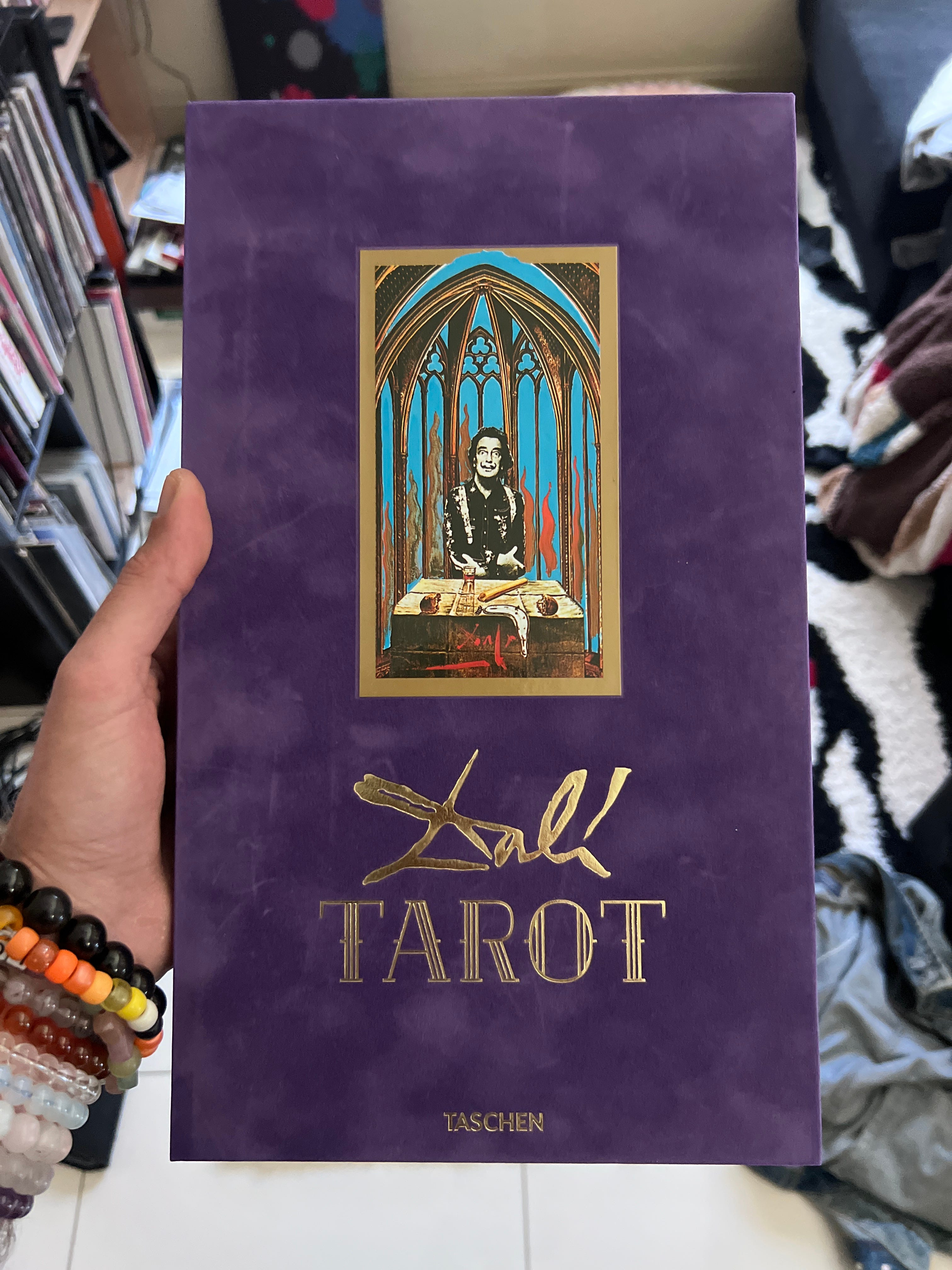
And Trace Adkins had a cool LD. He said time coded shows are for pussies! Hear Hear!